




Hocus Crocus™
100 pieces per bag
Largest bulb size
Always true to variety
Lowest price per bulb
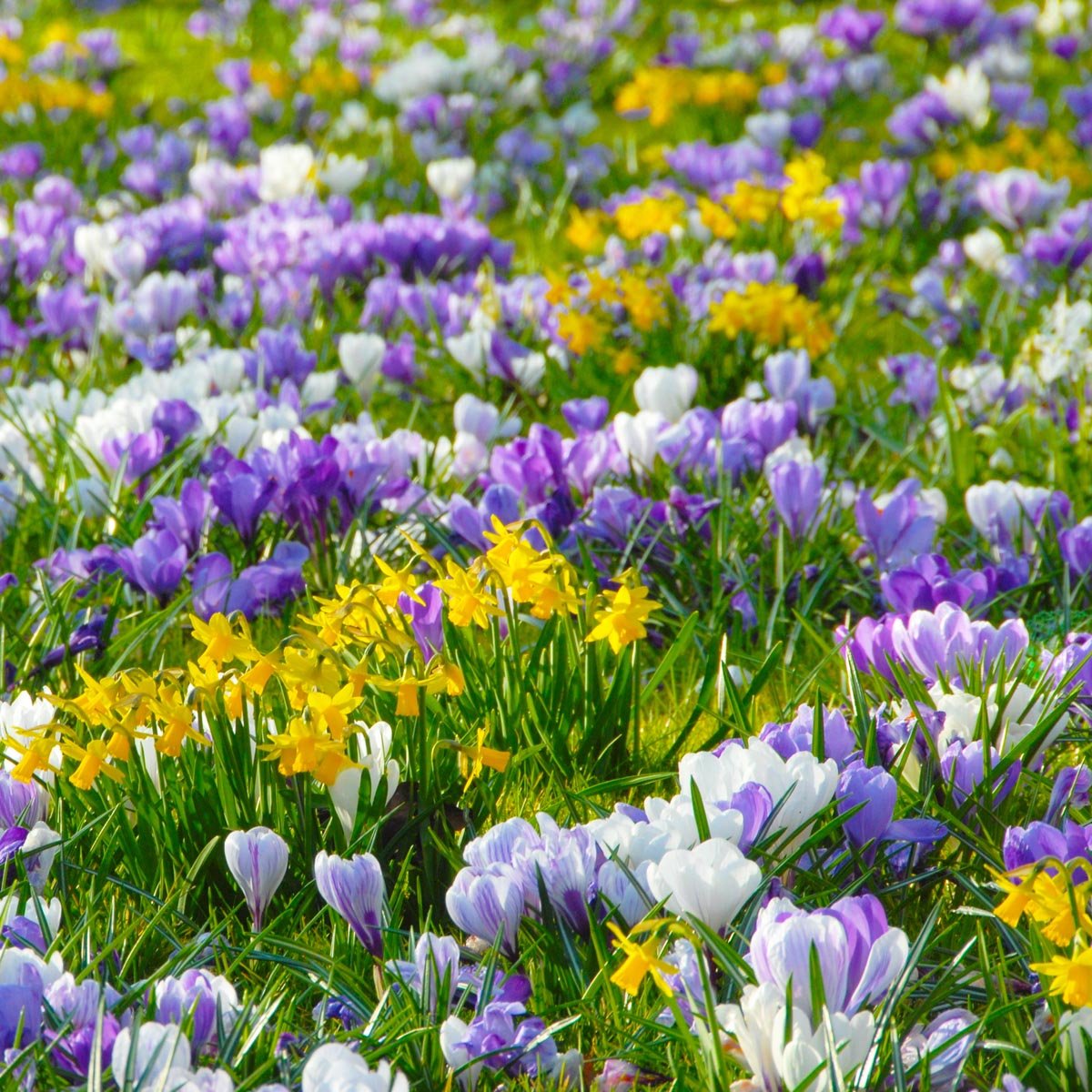
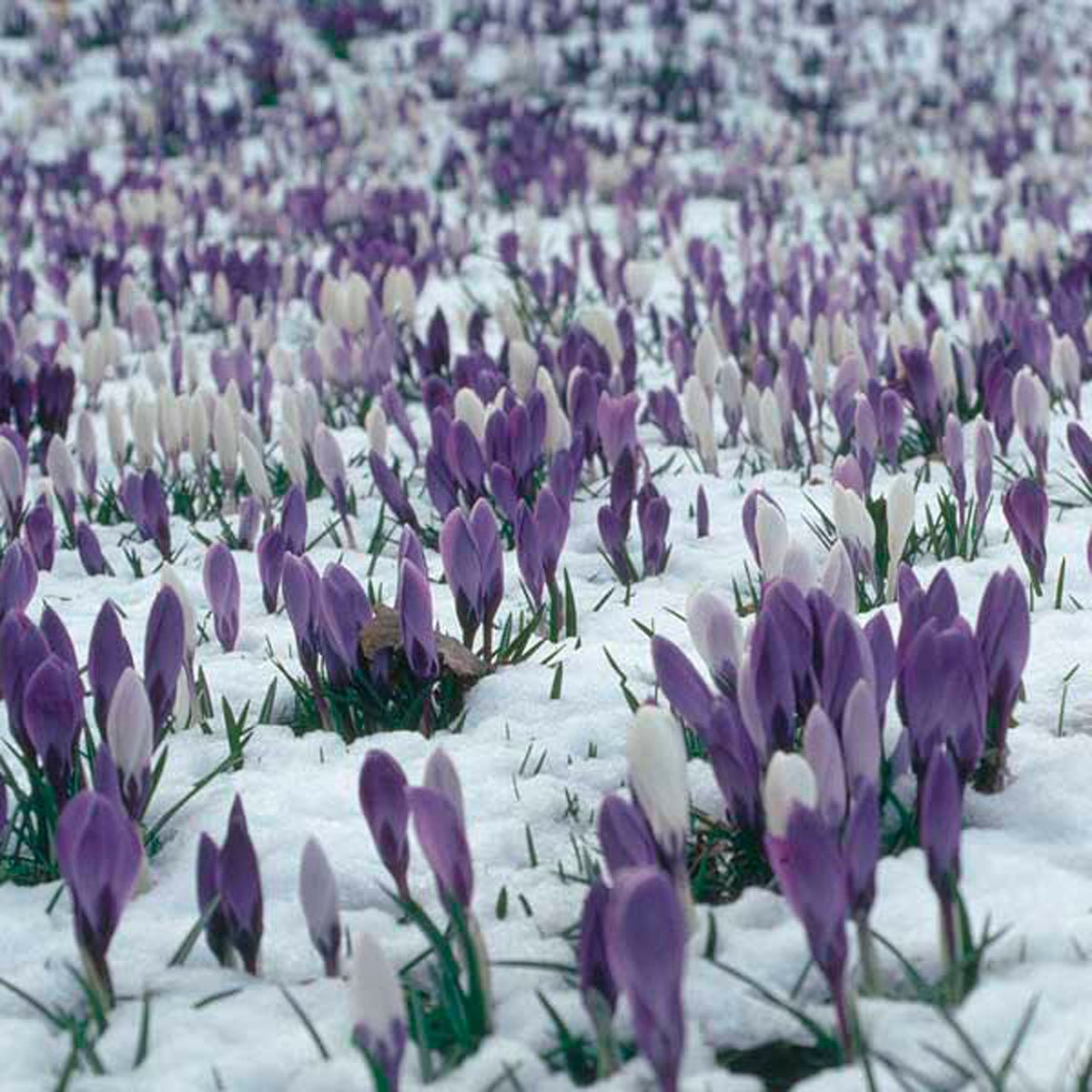
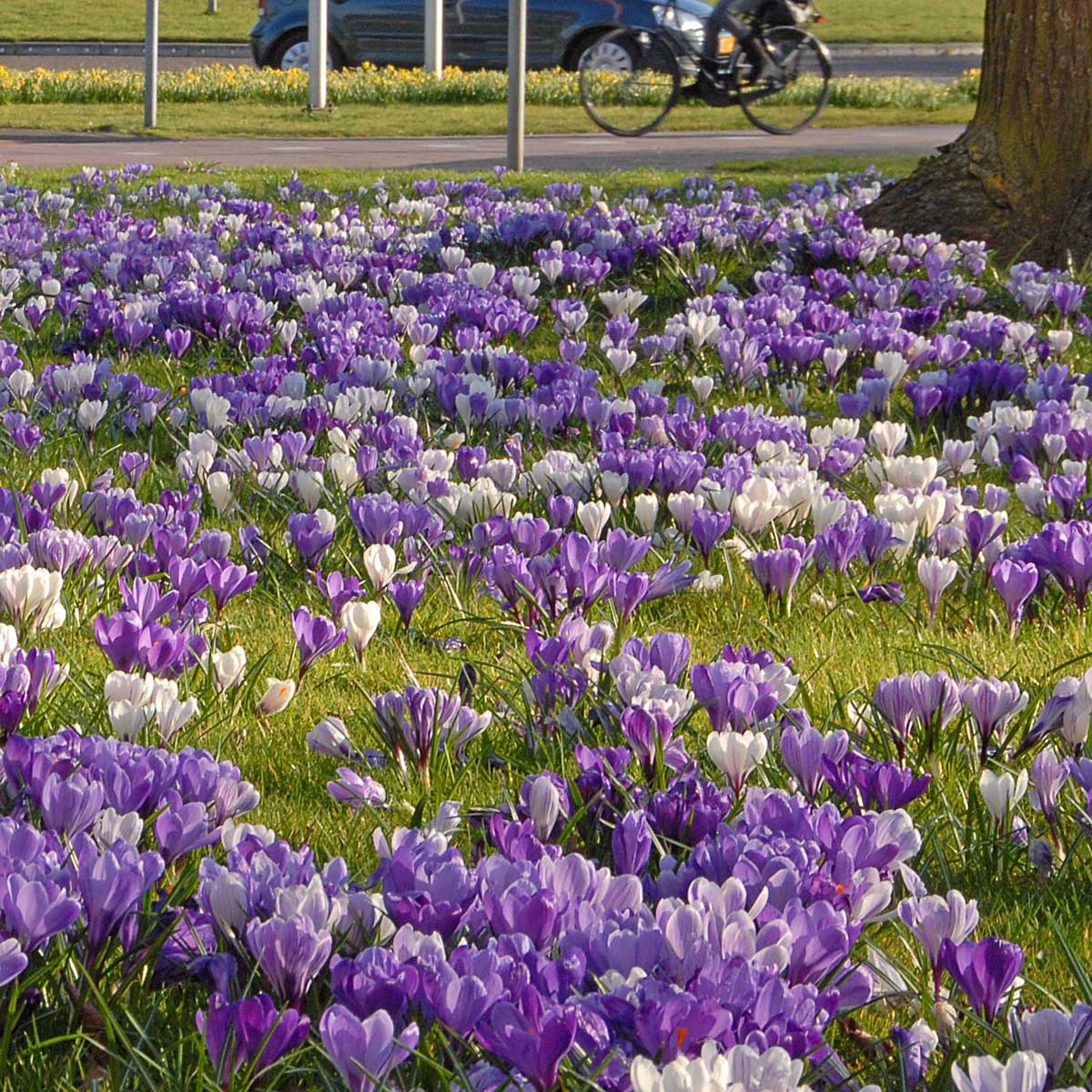
It’s like magic, the little crocus, coming back every year. Before you realize winter is almost over, crocuses pop up their little heads and bring colour back into the world. This beautiful mixture of blue, lilac and white crocuses is a subtle transition from the cool wintery colours to the bright and cheerful colours of spring.
Bulb information
Flowerperiod
Choose options
Largest bulb size
Always true to variety
Lowest price per bulb
Bulb information
Flowerperiod
Largest bulb size
Always true to variety
Lowest price per bulb
Bulb information
Flowerperiod
Planting and caring for crocus bulbs
Plant crocus bulbs in well-drained soil in a sunny or lightly shaded position. For the earliest possible flowering, choose a sunny, sheltered spot. Crocuses are ideal for borders and pots, beneath trees and shrubs, and for naturalising in lawns.
Planting crocuses in grass? Wait until the foliage has completely yellowed and died back before mowing the area. This allows the bulbs to store enough energy for flowering the following spring.
Read our complete guide to when and how to plant and care for crocus bulbs.
You can order Crocus bulbs from us from early spring onwards for the next planting season. We take care of the proper storage and only ship the bulbs when the autumn planting season begins. This means you receive fresh bulbs at the right time for planting and a strong start in the garden.
Crocuses flower early in spring, usually in February or March, depending on the temperature and variety. This makes them some of the first flowers to bring colour back to the garden after winter.
Yes. Crocuses are very well suited to naturalising in lawns. If you plant them in grass, we recommend leaving that area uncut during the first mowing so the foliage has enough time to develop.
Many crocuses are excellent for naturalising and can return every spring. Some varieties gradually spread over time, creating larger and larger groups.
Yes. Because crocuses flower so early, they provide an important food source for bees when they become active again on the first mild days of spring. Their flowers provide valuable pollen.
Yes. Crocuses are very well suited to pots and other containers. Their compact growth makes them ideal for adding early spring colour to patios, balconies and entrances.