

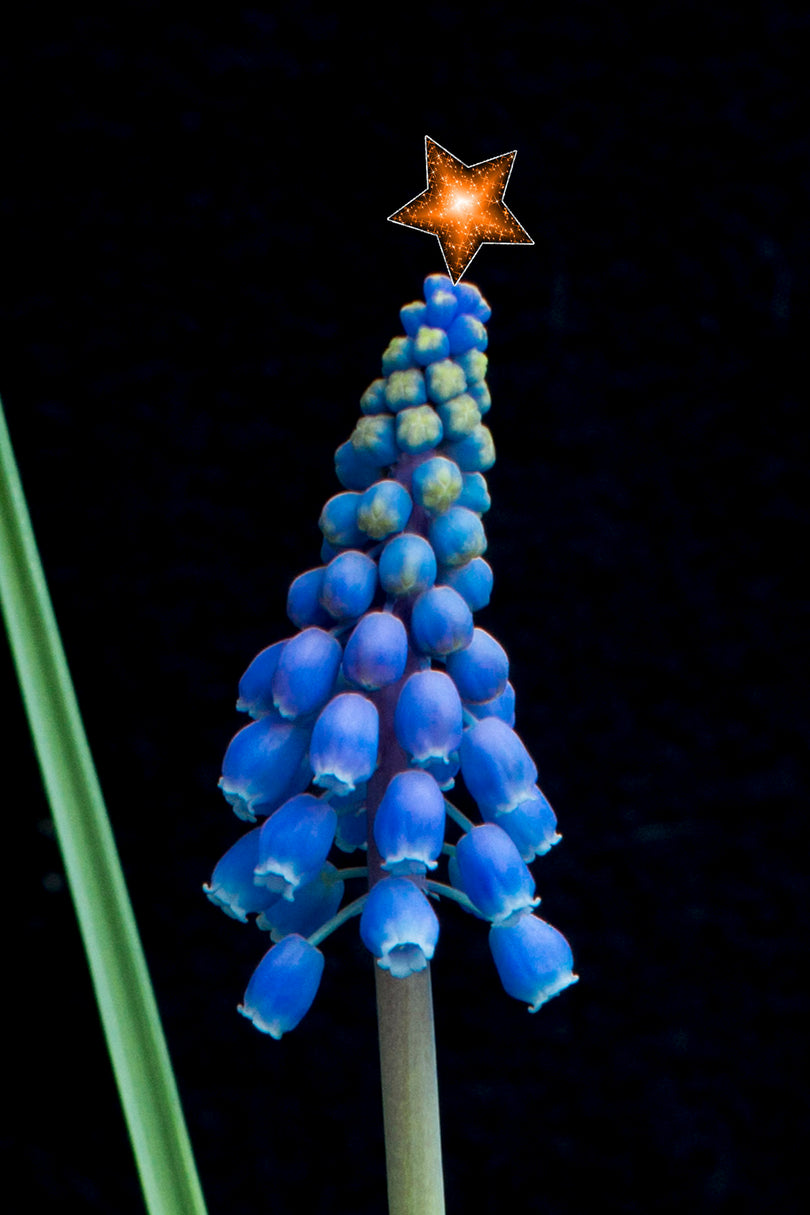
Therapeutic Planting

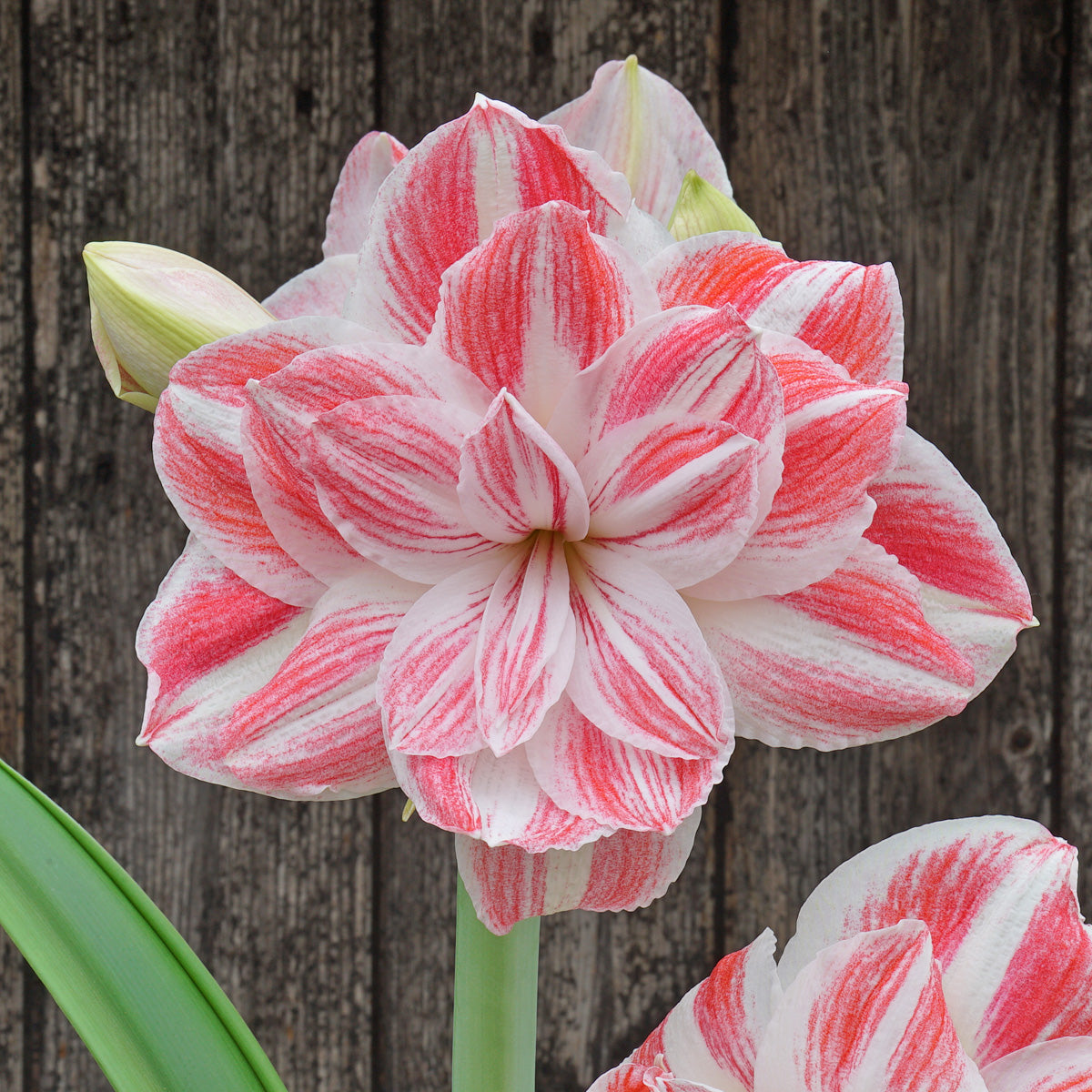
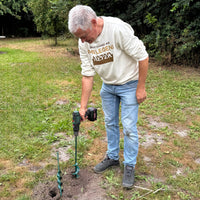
That was what I was doing when I was preparing a few Amaryllis bulbs to give to friends and family this week: therapeutic planting. I felt like I had to share that with my news blog readers, because I would recommend therapeutic planting to anyone. It’s a great way to come up with new ideas and to feel zen.

But about those Amaryllis bulbs. Sometimes I see photographs of people’s Amaryllises, and they’ve put them in a nice vase, but the water in the vase seems to be a little bit dirty. That doesn’t look very appealing, and sometimes it can even smell, too. But the most important side effect of dirty Amaryllis water is the fact that the bulb barely makes any roots if you plant her like this.

This catastrophe is fairly easy to solve. When you get the Amaryllis, the best thing to do is to gently clean the roots and rinse off the sand before you put her in her vase-home. You can remove the dead, dried out pieces of root too. Sometimes, this means removing what seems like half of the bulb’s roots, but don’t worry. The only useful roots are the ones that look fresh, those are the ones keeping the bulb alive. So to make sure your Amaryllis is as healthy as possible, you will have to clean its bottom. Believe me, it will be worth it.

When you are done cleaning, you can rinse off the roots one last time and then put your Amaryllis bulb in its vase. The water level needs to reach the bottom of the Amaryllis like this, and if you’ve done all of this, you will see that the water will remain bright and clear. That will help your Amaryllis to create new, healthy roots, and those new roots make sure that your bulb is as big and strong as it can be. More roots mean more nutrients, and those nutrients give your Amaryllis the ability to form a healthy stem, healthy leaves, and healthy flowers. And, of course, make sure to put the vase in a nice and warm spot. Amaryllises love warm places, whether they are planted in a pot or in a vase.
Sometimes, even when you did everything correctly, the water still changes colours after a couple of days. Sometimes, it becomes a little cloudy, or even a tiny bit red. If this happens, refresh the water, and you will probably see that this time around, the water will stay clear. The red colour can be a result of tiny scrapes the Amaryllis bulb has. This is not a bad thing. The bulb just releases a kind of sap that causes the red colour. Once the scrapes have healed, the colour won’t come back. Different Amaryllis varieties have different levels of ‘bleeding,’ so don’t worry if one of your bulbs seems to do this more than its siblings.
Sometimes, even when you did everything correctly, the water still changes colours after a couple of days. Sometimes, it becomes a little cloudy, or even a tiny bit red. If this happens, refresh the water, and you will probably see that this time around, the water will stay clear. The red colour can be a result of tiny scrapes the Amaryllis bulb has. This is not a bad thing. The bulb just releases a kind of sap that causes the red colour. Once the scrapes have healed, the colour won’t come back. Different Amaryllis varieties have different levels of ‘bleeding,’ so don’t worry if one of your bulbs seems to do this more than its siblings.

It can also happen that you see this discolouration on the outside of the Amaryllis bulb. Don’t worry, this is not the bad kind of red, the Stagonosporopsis fungus. This photo just shows bleeding Amaryllis bulb scrapes. There is no need to panic, these little marks will not affect the quality of the flower that is going to come out of your bulb at all..

The bad red, that Stagonosporopsis, is almost always located in the bulb’s nose, and if your bulb has a bad case, it could severely affect the bulb. If your Amaryllis has this, please send us a photograph of the bulb. We will send you a new one, because it is not supposed to have this. And it is also not always recognised in time. Sometimes, the fungus really hides in the bulb’s nose. The bulb pictured above is one I planted myself, and I had not seen the problem beforehand, and neither did the grower, otherwise they wouldn’t have sent this one out. Every year, there are a few sneaky ones that slip through the cracks, so someone might have gotten an affected Amaryllis. We send out thousands, it is statistically unlikely that every single one of them was perfect, and I know from experience that people don’t like to complain, especially when they usually don’t have any issues with our products. Their first thought tends to be that they must have done something wrong themselves, and I get that, but I do want to urge you to send us a picture if your Amaryllis has this fungus. It is really not your fault, the bulb just picked this up somewhere, it could be when it was dug up, somewhere at the grower, or somewhere in the warehouse, and it was invisible until it was too late.

But it’s time to stop now, I feel like I am lecturing you about something you already know. And this is the time of year to relax. This is my last news blog of the year. Pauliina, who sends out the emails, is going to her family in Finland for the holidays, our German translator is going to the Alps, and I am not going to bother them with this. I am looking forward to getting started on the Daffodil list for the next Fluwel Special Narcissus collection, we are thinking of new names for seedlings that are growing up, and we are writing their little stories and picking out photos. A fun task for cold days inside. And of course, there will be Christmas with the family, which is always a nice time.
The last thing I want to do this year is to thank you for another year of reading our stories and of trusting us with your business. We have sent out more bulbs this year than ever before, and I am extremely grateful to everyone who has ever ordered anything from us. There are so many amazing people who are planting Fluwel bulbs, and I could not be happier about that. Thank you.
I wish you a very merry Christmas, or whichever other Holidays you may celebrate, and a great 2026. I am already looking forward to the new year.
Kind regards,
Carlos van der Veek
The last thing I want to do this year is to thank you for another year of reading our stories and of trusting us with your business. We have sent out more bulbs this year than ever before, and I am extremely grateful to everyone who has ever ordered anything from us. There are so many amazing people who are planting Fluwel bulbs, and I could not be happier about that. Thank you.
I wish you a very merry Christmas, or whichever other Holidays you may celebrate, and a great 2026. I am already looking forward to the new year.
Kind regards,
Carlos van der Veek